Source recyclable cosmetic jar for Skin Care, Cosmetics, and Tea
Compare 30 listings for recyclable cosmetic jar options made from PP and PETG materials. Buyers can evaluate sizes ranging from 3g to 250ml, sealing types, and customization features from suppliers in Zhejiang and Ningbo.
Key considerations
Products List
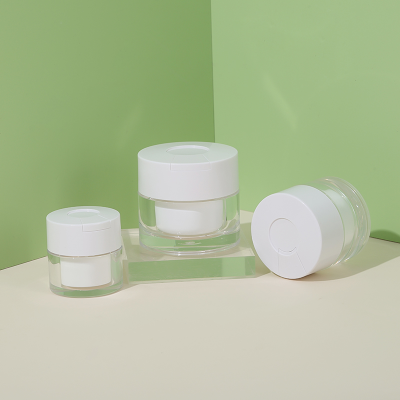
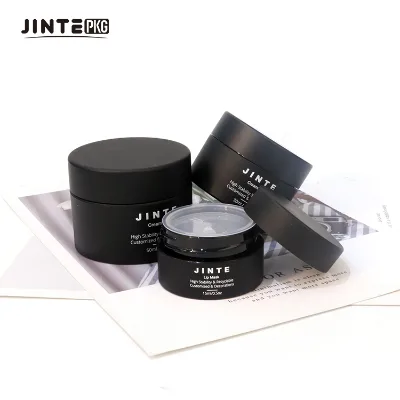


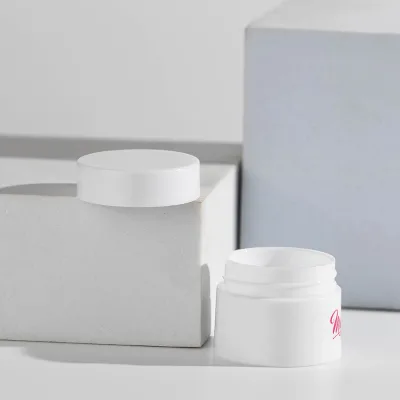


Comprehensive Sourcing Guide
Strategic Sourcing Guide for Recyclable Cosmetic Jars
Navigating the global market for recyclable cosmetic jars requires a disciplined approach that balances material science, regulatory compliance, and supply chain reliability. Buyers entering this sector must distinguish between generic plastic packaging and verified sustainable solutions. The following guide synthesizes available market data to provide a framework for evaluating suppliers, understanding technical constraints, and ensuring long-term procurement success without relying on unverified claims or speculative pricing.
Understanding Material Composition and Recyclability Claims
The foundation of sourcing a "recyclable" cosmetic jar lies in the precise identification of the polymer used. In the current market, Polypropylene (PP) and Polyethylene Terephthalate Glycol (PETG) are the dominant materials cited for cosmetic applications. PP is frequently highlighted for its durability and chemical resistance, making it suitable for a wide range of cosmetic formulations. PETG, often described as a plastic jar body material, offers superior clarity and a premium feel, which is critical for high-end skincare positioning.
When evaluating a product listing, buyers must scrutinize the specific material designation. For instance, some listings explicitly identify the body material as PETG while noting the collar or lid as plastic, which may imply a different polymer for the closure. This distinction is vital because mixed-material containers can complicate recycling processes. A true recyclable solution often requires a mono-material design or a clearly defined separation protocol for the cap and jar.
The market data indicates that suppliers offer jars in various sizes, ranging from 3g mini jars to 50g and 250ml containers. The physical dimensions, such as a 29mm x 17mm footprint for a 3g unit, directly impact the volume of material used and the subsequent recyclability efficiency. Buyers should verify that the specific size selected aligns with local recycling infrastructure capabilities, as smaller formats like 3g jars often face higher rejection rates in municipal sorting facilities due to their size.
Technical Specifications and Design Constraints
Technical specifications define the functional viability of the cosmetic jar. Beyond the material, the design must ensure product integrity, particularly regarding spill prevention and sealing. The "Non Spill" feature is a common attribute in high-quality listings, indicating a design that minimizes leakage during transport and use. This is often achieved through specific sealing types, such as screw caps, which provide a reliable barrier against contamination and evaporation.
Size variations are a critical technical consideration. The market offers a spectrum of capacities, including 15g, 30g, 50g, and larger formats like 250ml. Each size presents unique challenges in terms of wall thickness, structural rigidity, and mold complexity. For example, a 50ml cosmetic cream jar requires different molding parameters compared to a 3g mini jar. The wall thickness must be optimized to maintain strength without using excessive material, which would increase the carbon footprint and cost.
Furthermore, the industrial application dictates the required specifications. Jars intended for cosmetics, skin care, or chemical use must withstand specific environmental conditions. The "Eco-Friendly" attribute often cited in listings suggests a design focus on sustainability, but buyers must correlate this with the actual physical properties. Does the jar resist UV degradation? Is it compatible with the specific viscosity of the cosmetic product? These technical questions must be answered before finalizing a purchase order.
Compliance, Certification, and Regulatory Standards
In the cosmetics industry, regulatory compliance is non-negotiable. Suppliers often list certifications such as ISO, CE, and CIQ, which serve as indicators of quality management systems and product safety. However, the presence of these certifications does not automatically guarantee that the specific batch of jars meets all local regulatory requirements for the buyer's target market.
Buyers must verify the scope of these certifications. For instance, a "CE" mark indicates conformity with health, safety, and environmental protection standards for products sold within the European Economic Area, but it does not cover food safety or specific cosmetic regulations in other regions. Similarly, "SGS" and "UL" standards are often referenced in product descriptions. While these are reputable third-party testing organizations, the specific test results and the date of the last audit must be confirmed.
The "prod_standard" field in supplier data often lists "ce SGS ul" or "ce SGS ul Customized." This suggests that the supplier may offer customized compliance options. Buyers should request specific documentation, such as a Certificate of Analysis (CoA) or a Declaration of Conformity, that explicitly references the relevant regulations for their region. Relying solely on a general "Eco-Friendly" label without supporting certification data is a significant risk in the procurement process.
Cost Drivers and Minimum Order Quantities
The economics of sourcing cosmetic jars are heavily influenced by Minimum Order Quantities (MOQ) and production volume. Market observations indicate a wide range of MOQs, from 10 units to 30,000 units. This variability allows buyers to test the market with small batches or secure large-scale supply chains with volume discounts. However, the "High-confidence" data point of an MOQ of 10,000 pieces suggests that many suppliers operate on a volume-driven model.
Cost drivers in this sector include the raw material price of PP or PETG, which fluctuates with global oil prices. Additionally, the complexity of the mold, the color customization, and the printing requirements significantly impact the unit price. Listings mentioning "As Your Request" for color and logo printing indicate that customization is a standard service, but it often incurs additional setup fees or higher per-unit costs.
Lead times are another critical cost factor. A delivery cycle of 7-10 days is noted in some supplier profiles, which is relatively fast for custom-molded plastic goods. However, this timeline may only apply to stock items or standard designs. Custom molds can extend lead times considerably. Buyers must also account for sample times, which are typically around 4-6 days, before mass production begins. Understanding these timelines is essential for inventory planning and preventing stockouts.
Supplier Evaluation and Geographic Considerations
Geographic location plays a pivotal role in the sourcing strategy. The majority of the observed supplier data points to origins in Zhejiang, China, with specific mentions of Yuyao and Ningbo. These regions are established hubs for plastic manufacturing and packaging, offering a dense ecosystem of suppliers, raw material providers, and logistics services.
When evaluating suppliers, buyers should look beyond the brand name. Listings may feature names like "LONSHINE" or "JINTE," but these are often marketing identifiers rather than unique differentiators. The critical evaluation criteria should focus on the supplier's ability to meet the specific technical and compliance requirements outlined earlier.
Key evaluation factors include:
- Production Capacity: Can the supplier handle the required volume within the specified lead time?
- Quality Control Processes: What internal testing protocols are in place before shipment?
- Packaging Standards: Listings mention "Cardboard Box" or "Safe Export Pack," which are essential for preventing damage during transit.
- Customization Flexibility: The ability to accommodate specific color, logo, and size requests is a strong indicator of a responsive supplier.
Buyers should avoid relying on a single supplier for all needs. Diversifying the supply base across different manufacturers within the same region can mitigate risks related to production disruptions or quality inconsistencies.
Quality Control and Long-Term Procurement Strategy
Ensuring consistent quality is paramount for maintaining brand reputation. The "High Qualiy" attribute found in product descriptions is a marketing claim that must be validated through rigorous quality control (QC) procedures. Buyers should implement a multi-stage QC strategy that includes pre-production sample approval, in-process monitoring, and final random inspection.
For recyclable jars, specific QC checks should focus on:
- Material Consistency: Verifying that the PP or PETG used matches the specified grade and contains no recycled contaminants that could affect clarity or strength.
- Seal Integrity: Testing the screw cap mechanism to ensure it meets the "Non Spill" requirement under various conditions.
- Dimensional Accuracy: Checking that the jar dimensions align with the specified model numbers, such as JTI01 or WL-PJ009, to ensure compatibility with filling machinery.
Long-term procurement considerations involve building a partnership with suppliers who can adapt to changing market demands. This includes the ability to scale production up or down, incorporate new sustainability standards, and maintain consistent pricing. The "Customized" attribute suggests that suppliers are willing to adapt, but buyers must formalize these agreements to ensure that customization does not compromise quality or lead times.
Summary of Key Sourcing Parameters
To facilitate decision-making, the following table summarizes the critical parameters observed in the current market for recyclable cosmetic jars. This data serves as a baseline for comparison and negotiation.
| Parameter | Observed Range / Standard | Verification Requirement |
|---|---|---|
| Material | PP, PETG | Confirm specific polymer grade and recyclability status. |
| Sizes | 3g, 15g, 30g, 50g, 250ml | Match to filling line specifications and consumer expectations. |
| MOQ | 10 to 30,000 units | Negotiate based on volume; note 10,000 as a common benchmark. |
| Lead Time | 7-10 Days (Production) | Confirm if this includes sample approval or is for stock items. |
| Sample Time | 4-6 Days | Plan for this duration before mass production begins. |
| Certifications | ISO, CE, CIQ, SGS | Request specific certificates relevant to target market. |
| Sealing | Screw Cap | Test for leak-proof performance under simulated conditions. |
| Origin | Zhejiang, Yuyao, Ningbo | Verify logistics capabilities and export experience. |
By adhering to these guidelines and maintaining a rigorous approach to verification, buyers can effectively source recyclable cosmetic jars that meet both functional and sustainability goals. The market offers a robust selection of options, but success depends on the buyer's ability to discern verified facts from marketing assertions and to build a supply chain that is resilient, compliant, and aligned with long-term strategic objectives.
FAQs
What materials are used for recyclable cosmetic jars?
The primary materials used are PP and PETG plastic. These polymers are selected for their durability and chemical resistance, with PETG offering superior clarity for premium skincare positioning while PP provides robust protection for various formulations.
Which certifications should I verify for these jars?
Suppliers often list ISO, CE, CIQ, and SGS certifications. Buyers must request specific documentation like a Certificate of Analysis to confirm these standards apply to the target market, as general labels do not guarantee compliance with all local regulations.
Can I customize the color and logo on the jars?
Yes, customization for color and logo printing is available as per buyer requests. However, this service often incurs additional setup fees or higher per-unit costs, and the final lead time may extend beyond standard production cycles.
What is the typical minimum order quantity for these products?
The observed MOQ range spans from 10 to 30,000 units, with 10,000 pieces being a common benchmark for many suppliers. Buyers can negotiate based on volume, allowing for smaller test batches or large-scale supply chain commitments.
How long does the delivery cycle take for these jars?
The standard delivery cycle is noted as 7 to 10 days for production. This timeline typically applies to stock items or standard designs, while custom molds and specific requests may require additional time beyond this baseline.
What sealing types are available for these cosmetic containers?
Screw caps are the standard sealing type used to ensure a non-spill feature. This design provides a reliable barrier against contamination and evaporation, which is critical for maintaining product integrity during transport and use.
Where are the manufacturers of these jars located?
Most observed suppliers originate from Zhejiang, China, specifically in regions like Yuyao and Ningbo. These areas are established hubs for plastic manufacturing, offering a dense ecosystem of suppliers and logistics services for export.